
Affordable Solar Home Energy Solutions in South Africa

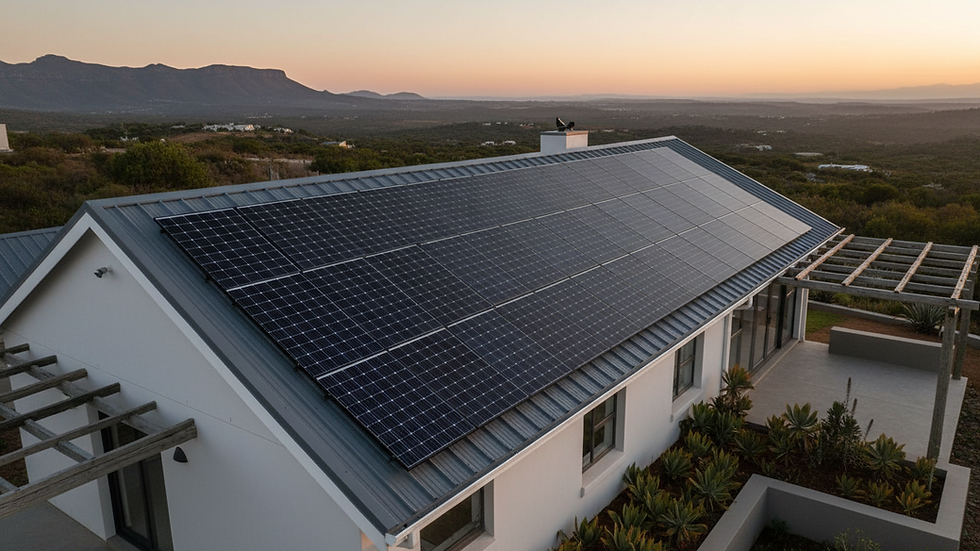
Switching to solar energy is no longer a luxury reserved for the wealthy. In South Africa, affordable solar home energy solutions are becoming increasingly accessible, making it easier than ever to harness the sun’s power. Whether you’re a solar installer, a professional in the field, or simply a solar enthusiast, understanding the ins and outs of solar products and systems is key to making smart choices. Let’s dive into the world of solar energy and explore how you can benefit from it without breaking the bank.
Understanding Solar Home Energy: The Basics and Benefits
Solar home energy systems convert sunlight into electricity, providing a clean, renewable source of power. The core components include solar panels, inverters, and batteries. Solar panels capture sunlight and convert it into direct current (DC) electricity. The inverter then changes this DC into alternating current (AC), which powers your home appliances. Batteries, especially lithium-ion types, store excess energy for use when the sun isn’t shining.
Why consider solar energy? For starters, it’s a sustainable solution that reduces your carbon footprint. South Africa’s abundant sunshine means solar systems can generate plenty of power year-round. Plus, with rising electricity costs and frequent load shedding, solar energy offers independence and savings. Imagine cutting your electricity bill while contributing to a greener planet - sounds like a win-win, right?
Solar energy also boosts property value and can qualify for government incentives, making it a smart investment. Whether for residential or commercial use, solar solutions are scalable and customizable to fit different energy needs and budgets.

Exploring Solar Products: Inverters, Lithium Batteries, and More
Choosing the right solar products is crucial for an efficient and affordable system. Let’s break down some essentials:
Solar Panels: There are mainly three types - monocrystalline, polycrystalline, and thin-film. Monocrystalline panels are the most efficient and space-saving but slightly pricier. Polycrystalline panels offer a good balance between cost and efficiency, making them popular in South Africa. Thin-film panels are less efficient but lightweight and flexible, suitable for specific applications.
Inverters: The inverter is the heart of your solar system. String inverters are common for residential setups, converting DC from multiple panels into AC. Microinverters attach to each panel individually, optimizing performance but at a higher cost. Hybrid inverters combine solar and battery management, ideal for systems with energy storage.
Lithium Batteries: Lithium-ion batteries have revolutionized solar storage. They offer longer life, higher efficiency, and better depth of discharge compared to traditional lead-acid batteries. This means more stored energy and less maintenance. For affordable solar energy solutions, investing in quality lithium batteries can pay off in the long run.
Generator Integration: In areas with unreliable grid power, integrating a generator with your solar system provides backup during extended outages. Modern hybrid systems can automatically switch between solar, battery, and generator power, ensuring uninterrupted electricity.
Understanding these components helps you design a system that fits your energy needs and budget. For example, a small home might do well with polycrystalline panels and a string inverter, while a commercial setup could benefit from monocrystalline panels and hybrid inverters with lithium battery storage.
How many solar panels are needed to power a house in South Africa?
This question pops up often, and the answer depends on several factors: your household’s energy consumption, the size and efficiency of the panels, and the amount of sunlight your location receives.
On average, a South African household uses about 900 kWh per month. A typical 320-watt solar panel produces roughly 1.3 kWh per day under ideal conditions. So, to cover your monthly usage entirely with solar, you’d need around 20 to 25 panels. This estimate assumes good sun exposure and no shading.
However, many households opt for partial solar systems to reduce their grid reliance rather than eliminate it completely. This approach lowers upfront costs and still delivers significant savings.
Here’s a quick way to estimate your needs:
Calculate your average daily electricity consumption (kWh).
Divide this by the average daily output of one solar panel.
Adjust for system losses (usually around 10-15%).
Factor in your budget and space availability.
Remember, adding a lithium battery can store excess energy for nighttime use, reducing the number of panels needed to cover your full consumption.

Residential and Commercial Solar Solutions: Tailoring to Your Needs
Solar solutions in South Africa are not one-size-fits-all. Residential systems focus on powering homes efficiently and affordably. Commercial systems, on the other hand, often require larger setups with advanced monitoring and management features.
Residential Solar Solutions:
Typically range from 3 kW to 10 kW systems.
Include options for grid-tied, off-grid, or hybrid setups.
Emphasize ease of installation and maintenance.
Often paired with lithium batteries for backup during load shedding.
Commercial Solar Solutions:
Can range from 10 kW to several megawatts.
Require detailed energy audits and system design.
May include solar trackers to maximize panel exposure.
Often integrate with existing generators and energy management systems.
Both residential and commercial users benefit from regular maintenance to keep systems running smoothly. Cleaning panels, checking inverter performance, and monitoring battery health are essential tasks.
Essential Maintenance and Optimization Tips for Solar Systems
Keeping your solar system in top shape ensures maximum efficiency and longevity. Here are some practical tips:
Regular Cleaning: Dust, bird droppings, and debris can reduce panel efficiency. Clean panels gently with water and a soft brush every few months, especially in dusty areas.
Monitor Performance: Use monitoring apps or devices to track energy production and consumption. Sudden drops in output may indicate issues needing attention.
Inspect Inverters and Batteries: Check for error messages or warning lights. Ensure batteries are stored in cool, dry places and avoid deep discharges.
Trim Nearby Trees: Shade can drastically reduce solar panel output. Keep trees and shrubs trimmed to allow maximum sunlight.
Professional Check-ups: Schedule annual inspections with a qualified solar technician to identify and fix potential problems early.
Optimizing your system might also involve upgrading components over time. For example, adding more lithium batteries or switching to higher-efficiency panels as prices drop.
Embracing Solar Energy: A Bright Future for South Africa
Affordable solar home energy solutions are transforming how South Africans power their lives. With the right knowledge and products, anyone can tap into this clean, reliable energy source. From understanding solar panels and inverters to integrating lithium batteries and generators, the possibilities are vast and exciting.
If you’re ready to explore options, consider checking out solar power for homes south africa for tailored solutions and expert advice. The sun is shining bright, and so is the future of energy in South Africa. Why wait to make the switch?
Solar energy is more than just a trend - it’s a smart, sustainable choice that benefits your wallet and the planet. Let’s harness the power of the sun together and light up South Africa, one solar panel at a time.


Comments