
Unlocking Solar Home Benefits: Why South African Homes Should Go Solar Today

Solar energy is no longer just a buzzword or a futuristic dream. It’s a practical, affordable, and sustainable solution that’s transforming homes across South Africa. If you’ve ever wondered about the real benefits of solar power for your home, you’re in the right place. I’m here to walk you through the ins and outs of solar energy, the products that make it work, and why it’s a game-changer for South African households.
Discovering Solar Home Benefits: More Than Just Savings
When I first explored solar power for my home, I was amazed at how many benefits it offered beyond just cutting down electricity bills. Solar energy taps into the sun’s abundant power, turning it into clean electricity that powers your home. This means fewer worries about load shedding and rising electricity costs.
Here’s what makes solar home benefits so compelling:
Energy Independence: No more relying solely on Eskom’s grid. Solar systems, especially when paired with lithium batteries, store energy for use during blackouts.
Environmental Impact: Solar power reduces your carbon footprint. It’s a clean, renewable source that helps fight climate change.
Increased Property Value: Homes with solar installations often see a boost in market value.
Government Incentives: Various rebates and tax benefits can make the initial investment more affordable.
Low Maintenance: Modern solar panels and inverters require minimal upkeep, making them hassle-free.
Solar panels come in different varieties, such as monocrystalline and polycrystalline, each with its own efficiency and cost profile. Choosing the right type depends on your budget, roof space, and energy needs.
Essential Solar Products Powering South African Homes
Understanding the components of a solar system helps you make informed decisions. Here’s a quick rundown of the key products that bring solar power to life in your home:
Solar Panels
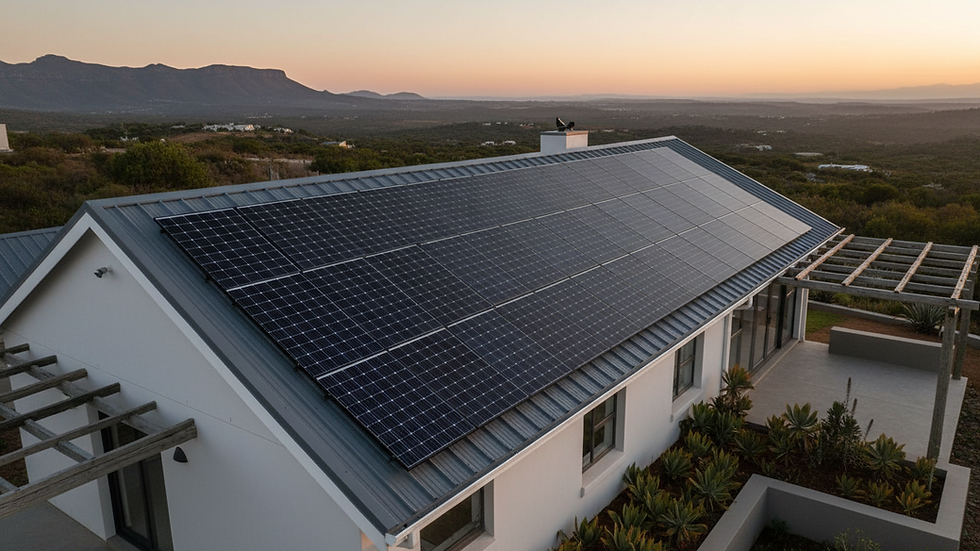
These are the heart of the system, converting sunlight into electricity. Monocrystalline panels are more efficient and sleek, while polycrystalline panels are budget-friendly.
Inverters
Inverters convert the direct current (DC) electricity generated by panels into alternating current (AC) that your home appliances use. String inverters are common, but microinverters offer better performance in shaded or complex roof layouts.
Lithium Batteries
Storing excess energy is crucial, especially during load shedding. Lithium batteries are preferred for their long lifespan, high efficiency, and safety compared to traditional lead-acid batteries.
Generator Integration
For homes in areas with frequent power outages, integrating a generator with your solar system ensures uninterrupted power supply. The system intelligently switches between solar, battery, and generator power as needed.
Monitoring Systems
Smart monitoring apps let you track your solar system’s performance in real-time, helping you optimize energy use and spot issues early.

How many solar panels are needed to power a house in South Africa?
This is a question I get asked a lot. The answer depends on several factors, including your household’s energy consumption, roof size, and the type of solar panels you choose.
On average, a typical South African home uses about 900 to 1,200 kWh per month. To cover this with solar, you’d need roughly 10 to 15 solar panels rated at 320W to 370W each. Here’s how to break it down:
Calculate your daily energy use: Divide your monthly kWh by 30.
Estimate peak sun hours: South Africa enjoys about 5 to 6 peak sun hours daily.
Determine panel output: Multiply the number of panels by their wattage and peak sun hours.
Adjust for system losses: Account for about 10-15% loss due to inverter efficiency and shading.
For example, if your home uses 30 kWh per day, and you have 5 peak sun hours, you’d need a system that produces 6 kW (30 kWh ÷ 5 hours). Dividing 6,000W by 350W panels means about 17 panels.
Of course, adding a lithium battery bank can store excess energy for night use or load shedding periods, making your system even more reliable.
Maintenance and Optimization Tips for Long-Lasting Solar Systems
Installing solar panels is just the beginning. To get the most out of your investment, regular maintenance and smart optimization are key.
Keep panels clean: Dust and debris can reduce efficiency. A gentle rinse every few months usually does the trick.
Inspect for shading: Trim nearby trees or remove obstacles that cast shadows on your panels.
Monitor system performance: Use your inverter’s app or monitoring system to track output and spot drops in performance.
Check battery health: Lithium batteries need proper charging cycles. Avoid deep discharges to extend their lifespan.
Schedule professional inspections: Annual check-ups by a solar technician can catch issues early and ensure everything runs smoothly.
By following these tips, your solar system can deliver clean energy for 25 years or more.
Embracing Solar Power for Homes South Africa: A Bright Future
Switching to solar power is more than just a smart financial move - it’s a step towards a sustainable future. With South Africa’s abundant sunshine, solar energy is a natural fit for homes looking to reduce costs and environmental impact.
If you’re ready to explore solar solutions, consider the full range of options from panel types to battery storage and generator integration. Each home is unique, and a tailored system will maximize your benefits.
For those interested in diving deeper, solar power for homes south africa offers a wealth of resources and expert advice to guide your journey.
Solar energy is here to stay, and the sooner you embrace it, the brighter your home’s future will be. Why wait for the sun to set on your energy bills? Let’s harness the power of the sun and light up South African homes, one panel at a time.


Comments