
Exploring Solar Energy Solutions for Africa: Powering a Brighter Future

Solar energy is not just a buzzword anymore; it’s a game-changer, especially for regions bursting with sunlight but facing energy challenges. When I think about the potential of solar energy in Africa, I see a continent ready to leapfrog traditional energy hurdles and embrace a sustainable, affordable, and reliable power future. Let’s dive into the world of solar energy solutions tailored for Africa, exploring everything from the nuts and bolts of solar products to practical tips for maintenance and optimization.
Harnessing Solar Energy Africa: The Basics and Beyond
Solar energy is simply the conversion of sunlight into electricity, either directly using photovoltaics (PV) or indirectly with concentrated solar power. The beauty of solar energy lies in its abundance and renewability. Africa, blessed with some of the highest solar irradiance levels globally, is a prime candidate for solar power adoption.
Solar Panels: The Heart of the System
Solar panels come in various types, each with unique advantages:
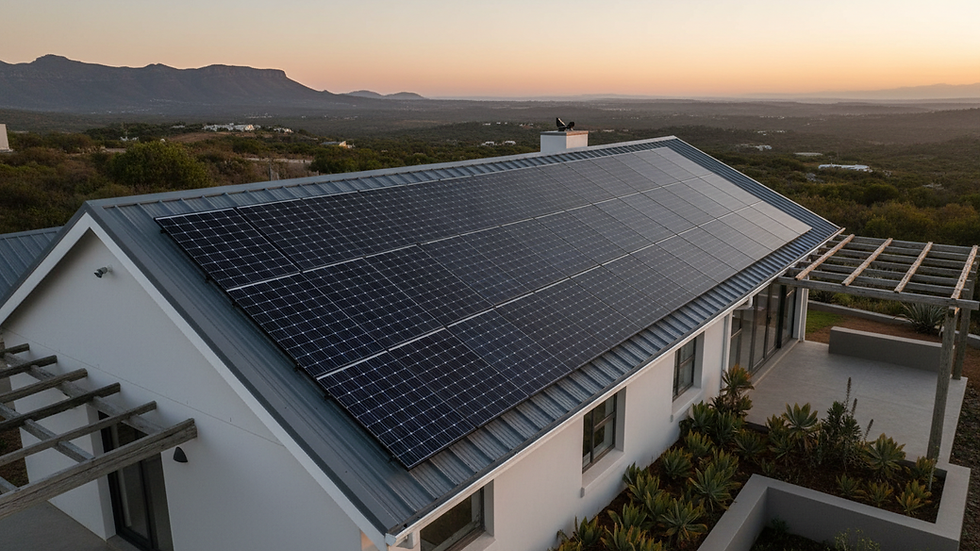
Monocrystalline panels: Known for high efficiency and sleek black appearance, these panels perform well even in low-light conditions.
Polycrystalline panels: Slightly less efficient but more affordable, with a blue hue.
Thin-film panels: Lightweight and flexible, ideal for unconventional installations but generally less efficient.
Choosing the right panel depends on the installation site, budget, and energy needs. For residential rooftops, monocrystalline panels often make the most sense due to their efficiency and space-saving design. Commercial projects might lean towards polycrystalline panels for cost-effectiveness when space is less of a constraint.
Inverters: The Unsung Heroes
Inverters convert the DC electricity generated by solar panels into AC electricity that homes and businesses use. There are several types:
String inverters: Cost-effective and widely used, suitable for installations with uniform shading.
Microinverters: Installed on each panel, they maximize output by optimizing each panel independently, great for shaded or complex roofs.
Hybrid inverters: Combine solar and battery storage management, perfect for systems integrating lithium batteries.
Selecting the right inverter is crucial for system performance and longevity.
Lithium Batteries: Power When the Sun Isn’t Shining
Energy storage is a game-changer for solar systems, especially in areas with unreliable grids or off-grid locations. Lithium-ion batteries have become the go-to choice due to their:
High energy density
Long cycle life
Lightweight design
Faster charging capabilities
Integrating lithium batteries with solar systems ensures power availability during the night or cloudy days, enhancing energy independence.
Generator Integration: Bridging the Gap
In many parts of Africa, grid power can be intermittent. Combining solar with generators offers a reliable hybrid solution. When solar and battery storage run low, generators kick in seamlessly, ensuring uninterrupted power supply. This integration reduces fuel consumption and emissions, making it a greener and more cost-effective option.

Why Solar Energy Makes Sense in Africa
Solar energy is more than just a green alternative; it’s a practical solution tailored to Africa’s unique energy landscape.
Abundant Sunlight Meets Energy Demand
Africa receives an average of 6 kWh/m²/day of solar radiation, one of the highest in the world. This means solar panels can generate significant electricity year-round. With many regions still lacking reliable grid access, solar offers a decentralized, scalable solution.
Economic Benefits: Saving Money and Creating Jobs
Solar installations reduce electricity bills dramatically. For businesses, this means lower operational costs and increased competitiveness. For households, it translates to more disposable income and improved quality of life.
Moreover, the solar industry fuels job creation across installation, maintenance, manufacturing, and sales sectors. This ripple effect boosts local economies and skills development.
Environmental Impact: Cleaner and Greener
Solar energy produces zero emissions during operation. By replacing diesel generators and coal-fired power plants, solar helps reduce air pollution and carbon footprints. This aligns perfectly with global sustainability goals and Africa’s commitment to combating climate change.
Versatility: From Homes to Mega Projects
Solar solutions are incredibly versatile. Small-scale residential systems can power homes and water pumps, while large commercial and industrial setups can handle significant energy loads. Utility-scale solar farms are also gaining traction, feeding clean power into national grids.

What is the richest country in Africa?
While exploring solar energy solutions, it’s interesting to consider the economic landscape of the continent. The richest country in Africa by GDP is Nigeria, thanks to its vast oil reserves and large population. However, wealth distribution varies widely, and many regions still face energy poverty.
This economic diversity influences solar adoption. Wealthier countries and regions can invest in larger, more sophisticated solar projects, while others benefit from affordable, off-grid solar kits and microgrids. Understanding these dynamics helps tailor solar solutions that fit different markets and needs.
Essential Maintenance and Optimization Tips for Solar Systems
Installing solar panels is just the beginning. To maximize performance and lifespan, regular maintenance and smart optimization are key.
Keep Panels Clean and Clear
Dust, dirt, and bird droppings can reduce panel efficiency by up to 25%. In dusty environments common in many African regions, regular cleaning is essential. Use soft brushes or water sprays, avoiding harsh chemicals or abrasive materials.
Monitor System Performance
Modern solar systems often come with monitoring apps or devices. Keep an eye on energy production and consumption patterns. Sudden drops in output may indicate shading issues, inverter faults, or panel damage.
Inspect Electrical Connections
Loose or corroded connections can cause power losses or safety hazards. Schedule periodic inspections, especially after storms or extreme weather.
Optimize Battery Health
For systems with lithium batteries, avoid deep discharges and extreme temperatures. Follow manufacturer guidelines for charging cycles and storage conditions to prolong battery life.
Plan for Expansion
Energy needs can grow over time. Design your solar system with scalability in mind. Adding more panels or batteries later is easier and more cost-effective if the initial setup anticipates future growth.
Embracing Solar Energy Solutions for a Sustainable Tomorrow
Solar energy is not just a technology; it’s a pathway to empowerment, sustainability, and economic growth. By understanding the components, benefits, and maintenance of solar systems, we can unlock the full potential of solar power in africa.
Whether it’s a small home installation or a sprawling commercial project, solar energy offers a reliable, clean, and cost-effective solution. The sun is shining bright, and with the right knowledge and tools, we can harness its power to light up homes, businesses, and communities across the continent.
Let’s keep pushing the boundaries of what solar energy can achieve. After all, the future is bright when powered by the sun.


Comments