
The Importance of Sustainability in South Africa

South Africa is a land of incredible natural beauty and abundant sunshine. Yet, it faces unique challenges when it comes to energy security, environmental protection, and economic growth. That’s why the importance of sustainability in South Africa cannot be overstated. As someone deeply involved in solar energy solutions, I see firsthand how embracing sustainable practices, especially solar power, can transform lives, businesses, and communities across the country.
Let’s dive into why sustainability matters here, how solar energy fits into the picture, and what practical steps we can take to build a brighter, cleaner future.
Why the Importance of Sustainability in South Africa is Critical
South Africa’s energy landscape is complex. The country relies heavily on coal-fired power plants, which contribute significantly to greenhouse gas emissions and air pollution. Frequent power outages and load shedding have become part of daily life, affecting homes and businesses alike. This situation calls for urgent action to diversify energy sources and reduce environmental impact.
Sustainability means meeting today’s needs without compromising the ability of future generations to meet theirs. In South Africa, this translates to:
Reducing dependence on fossil fuels
Promoting renewable energy sources like solar
Protecting natural resources and biodiversity
Creating jobs and economic opportunities in green industries
Solar energy is a game-changer here. With an average of over 2,500 hours of sunshine annually, South Africa is perfectly positioned to harness the sun’s power. Solar panels, inverters, and lithium batteries are becoming essential tools for homeowners and businesses looking to cut costs and reduce their carbon footprint.

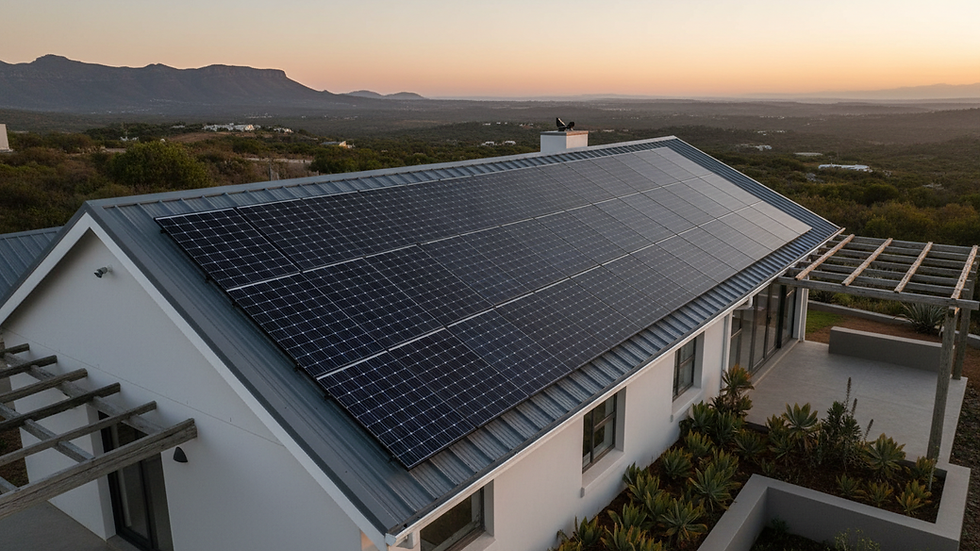
Solar panels on a South African home capturing abundant sunlight
What does "sustainable" mean?
You might wonder, what exactly does "sustainable" mean in the context of energy and the environment? Simply put, it’s about creating systems that can last indefinitely without depleting resources or harming the planet. When we talk about sustainable energy, we mean energy sources that are renewable, clean, and have minimal environmental impact.
In practical terms for solar energy, this means:
Using solar panels made from materials that can be recycled or reused
Employing lithium batteries that store energy efficiently and have a long lifespan
Integrating inverters that optimize power conversion and reduce waste
Designing systems that can work alongside existing generators to ensure reliability
By choosing solar solutions that are sustainable, we help reduce carbon emissions, lower electricity bills, and support a healthier environment. It’s a win-win for everyone.
Exploring Solar Products: Inverters, Lithium Batteries, and More
Understanding the components of a solar system is key to appreciating how it supports sustainability. Here’s a quick rundown of the main products:
Solar Panels
There are several types of solar panels available, each with its own advantages:
Monocrystalline panels: High efficiency and sleek design, ideal for limited roof space
Polycrystalline panels: More affordable, slightly less efficient but still reliable
Thin-film panels: Lightweight and flexible, good for unconventional installations
Choosing the right panel depends on your energy needs, budget, and installation site.
Inverters
Inverters convert the direct current (DC) electricity generated by solar panels into alternating current (AC) electricity used by homes and businesses. There are different types:
String inverters: Cost-effective and common for residential use
Microinverters: Installed on each panel, improving performance in shaded or complex roofs
Hybrid inverters: Combine solar and battery storage management, ideal for off-grid or backup power
Lithium Batteries
Storing solar energy is crucial for maximizing usage, especially during cloudy days or at night. Lithium batteries are the preferred choice because they:
Have a longer lifespan than traditional lead-acid batteries
Offer higher energy density, meaning more power in a smaller package
Require less maintenance and are safer
Generator Integration
In South Africa, where power outages are frequent, integrating a generator with your solar system can provide peace of mind. A well-designed hybrid system automatically switches between solar, battery, and generator power, ensuring uninterrupted electricity.

Lithium batteries storing solar energy for residential use
Benefits of Solar Energy and Sustainability for Homes and Businesses
Switching to solar energy brings a host of benefits that go beyond just saving money on electricity bills. Here’s why it’s a smart move for both residential and commercial users:
Energy independence: Generate your own power and reduce reliance on the grid
Cost savings: Lower monthly electricity costs and protect against rising tariffs
Environmental impact: Cut carbon emissions and reduce your ecological footprint
Increased property value: Solar installations can boost home and commercial property prices
Job creation: Support local solar installers, technicians, and manufacturers
For businesses, solar solutions can also improve brand reputation by demonstrating commitment to environmental responsibility. Plus, with government incentives and rebates, the initial investment becomes more affordable.
Essential Maintenance and Optimization Tips for Solar Systems
To get the most out of your solar investment, regular maintenance and optimization are key. Here are some practical tips:
Keep panels clean: Dust, dirt, and bird droppings can reduce efficiency. Clean panels gently with water and a soft brush every few months.
Inspect wiring and connections: Look for signs of wear or damage and fix issues promptly to avoid power loss.
Monitor system performance: Use monitoring apps or devices to track energy production and spot problems early.
Trim nearby trees: Ensure no shading blocks sunlight from reaching your panels.
Schedule professional check-ups: Have a qualified solar technician inspect your system annually for optimal performance.
By following these steps, you can extend the life of your solar system and keep it running smoothly.
Embracing a Brighter Future with Solar Energy
The journey toward a sustainable South Africa is well underway, and solar energy is at the heart of this transformation. Whether you’re a homeowner looking to reduce your electricity bills or a business aiming to cut carbon emissions, solar solutions offer practical, effective ways to make a difference.
By investing in quality solar products like inverters, lithium batteries, and efficient solar panels, and by maintaining your system properly, you’re not just saving money—you’re contributing to a cleaner, healthier planet. Isn’t that a future worth striving for?
Let’s harness the power of the sun and lead South Africa into a new era of energy independence and environmental stewardship. Together, we can make sustainability more than just a buzzword—it can be a way of life.
For more information on how to make your solar journey truly sustainable, explore trusted resources and connect with experts who can guide you every step of the way.


Comments