
Discover the Advantages of Solar Power: Unlocking the Future of Energy
- Austin Olivier

- Dec 22, 2025
- 5 min read
Updated: Jan 6
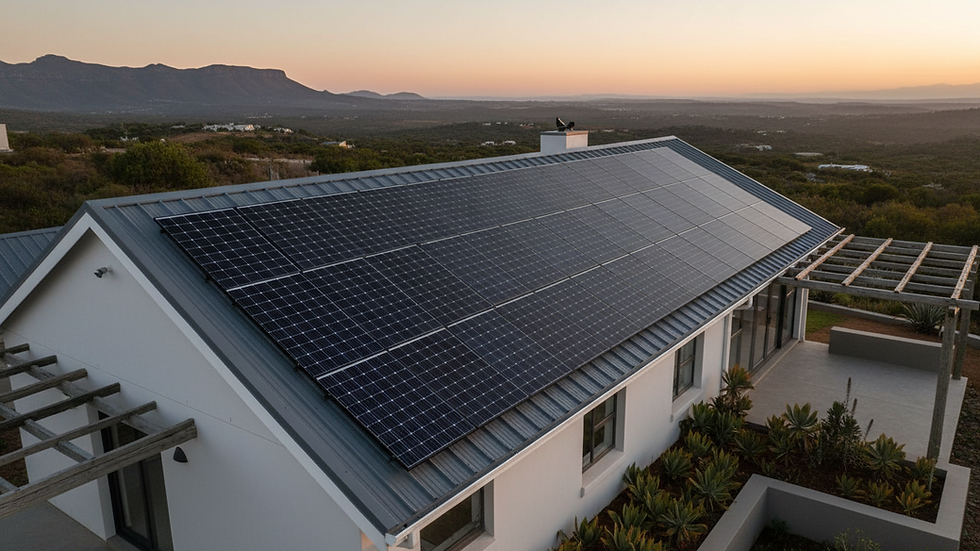
When I first dove into the world of solar power, I was amazed at how much potential this technology holds—not just for saving money, but for transforming the way we think about energy. Whether you’re installing panels on a rooftop or integrating a solar generator into a commercial setup, the benefits are clear and compelling. Let’s explore why solar power is more than just a trend; it’s a smart, sustainable choice that’s here to stay.
The Advantages of Solar Power: Why It’s a Game-Changer
Solar power offers a treasure trove of benefits that make it an attractive option for both residential and commercial users. Here’s why I believe it’s worth considering:
Cost Savings Over Time: The initial investment in solar panels and equipment like inverters and lithium batteries might seem steep, but the long-term savings on electricity bills are undeniable. Many solar professionals I know highlight how clients often see a return on investment within 5 to 7 years.
Energy Independence: Imagine not worrying about fluctuating electricity prices or power outages. With solar power, especially when paired with battery storage, you can generate and store your own electricity. This is a huge plus for businesses that need reliable power.
Environmental Impact: Solar power is clean and renewable. It reduces carbon footprints and helps combat climate change. For those passionate about sustainability, this is a major win.
Increased Property Value: Homes and commercial buildings equipped with solar systems often see an increase in market value. It’s a feature that buyers find attractive.
Government Incentives: Many regions offer rebates, tax credits, or other incentives to encourage solar adoption. These can significantly reduce upfront costs.
The beauty of solar power lies in its versatility. From small residential setups to large commercial arrays, the technology adapts to your needs.

Understanding Solar Energy: What It Means for You
At its core, solar energy is the power we harness from the sun’s rays. It’s a natural, abundant resource that can be converted into electricity or heat. But how does this process work?
Solar panels, made up of photovoltaic (PV) cells, capture sunlight and convert it into direct current (DC) electricity. This DC electricity then flows to an inverter, which transforms it into alternating current (AC) electricity—the kind your home or business uses.
But there’s more to the story. Lithium batteries come into play by storing excess energy generated during sunny periods. This stored energy can be used when the sun isn’t shining, ensuring a steady power supply. For those integrating solar with generators, the system can switch seamlessly between solar power, battery storage, and generator backup, providing unmatched reliability.
Understanding these components helps you optimize your solar setup and troubleshoot issues effectively. It’s not just about slapping panels on a roof; it’s about creating a smart, efficient energy ecosystem.
Exploring Solar Products: Inverters, Lithium Batteries, and More
If you’re serious about solar power, knowing your gear is essential. Here’s a quick rundown of some key products and how they fit into the bigger picture:
Inverters
Think of inverters as the heart of your solar system. They convert the DC electricity from your panels into usable AC electricity. There are different types:
String Inverters: Common in residential systems, they handle power from a string of panels.
Microinverters: Installed on each panel, they maximize output and improve performance in shaded or complex roof layouts.
Hybrid Inverters: These manage solar input, battery storage, and sometimes generator integration all in one unit.
Choosing the right inverter depends on your system size, budget, and specific needs.
Lithium Batteries
Lithium batteries have revolutionized energy storage. Compared to traditional lead-acid batteries, they offer:
Higher energy density: More power in a smaller package.
Longer lifespan: Often lasting 10 years or more.
Faster charging and discharging: Ideal for dynamic energy demands.
Better efficiency: Less energy lost during storage.
For anyone looking to go off-grid or ensure backup power, lithium batteries are a game-changer.
Solar Panel Varieties
Not all solar panels are created equal. Here are the main types:
Monocrystalline Panels: Made from single-crystal silicon, they’re the most efficient and have a sleek black appearance.
Polycrystalline Panels: Made from multiple silicon crystals, they’re slightly less efficient but more affordable.
Thin-Film Panels: Lightweight and flexible, great for unconventional surfaces but less efficient overall.
Choosing the right panel depends on your budget, space, and energy goals.
Generator Integration
For commercial setups or homes in areas with unreliable grids, integrating a generator with your solar system adds peace of mind. Modern hybrid inverters can automatically switch between solar, battery, and generator power, ensuring continuous electricity without manual intervention.

Essential Maintenance and Optimization Tips for Solar Systems
Keeping your solar system in top shape is easier than you might think. Here are some practical tips I always recommend:
Regular Cleaning: Dust, dirt, and bird droppings can reduce panel efficiency. Clean panels gently with water and a soft brush every few months.
Monitor Performance: Use monitoring apps or systems to track energy production. Sudden drops can indicate issues like shading, damage, or inverter problems.
Inspect Wiring and Connections: Loose or corroded connections can cause power loss or safety hazards. Schedule professional inspections annually.
Trim Nearby Trees: Overhanging branches can shade panels and reduce output. Keep vegetation in check.
Battery Care: For lithium batteries, avoid deep discharges and extreme temperatures. Follow manufacturer guidelines for optimal lifespan.
Update Firmware: Some inverters and battery systems receive software updates that improve performance and security. Stay current.
Optimization isn’t just about maintenance. Positioning panels for maximum sun exposure and choosing the right system size for your energy needs can boost returns significantly.
Embracing Solar Solutions for Residential and Commercial Needs
Whether you’re outfitting a family home or a sprawling business complex, solar power scales beautifully. Here’s how I see it:
Residential Solar: Ideal for homeowners wanting to cut electricity bills and increase property value. Systems typically range from 3kW to 10kW, depending on household size and energy use.
Commercial Solar: Larger installations that can power offices, factories, or retail spaces. These systems often include advanced monitoring, battery storage, and generator backup to ensure uninterrupted operations.
The flexibility of solar technology means you can customize solutions to fit your unique situation. Plus, with the right setup, you can even sell excess power back to the grid, turning your system into a mini power plant.
The Future of Solar Power: What Lies Ahead
As I look to the future, I see solar power continuing to evolve. Innovations in technology will make systems even more efficient and accessible. With the rise of smart homes and energy management systems, we can expect to see solar power integrated seamlessly into our daily lives.
Additionally, as more people recognize the importance of sustainability, the demand for solar solutions will grow. This shift will encourage further investment in research and development, leading to better products and lower costs.
Solar power is more than just a buzzword. It’s a practical, powerful way to take control of your energy future. By understanding the technology, choosing the right products, and maintaining your system well, you can enjoy the many advantages of solar power for years to come. Ready to make the switch? The sun is waiting.



Comments