
Exploring the Benefits of Solar Energy in South Africa
- Austin Olivier

- Nov 18, 2025
- 4 min read
South Africa is a sun-drenched country with vast potential for harnessing the power of the sun. As someone deeply involved in the solar industry, I can confidently say that the benefits of solar power here are not just promising - they are transformative. Whether you’re installing solar panels on a residential rooftop or designing a commercial solar solution, the advantages are clear and compelling. Let’s dive into why solar power benefits South Africa so much and how you can make the most of this renewable resource.
Unlocking Solar Power Benefits for Homes and Businesses
When we talk about solar power benefits, the first thing that comes to mind is cost savings. Electricity prices in South Africa have been on a steady rise, and solar energy offers a way to take control of your power bills. Installing solar panels means you generate your own electricity, reducing your reliance on Eskom and protecting yourself from future price hikes.
But the benefits go beyond just saving money. Solar power systems increase energy independence, which is crucial in a country where load shedding disrupts daily life. Imagine having a reliable source of power during blackouts - that’s a game changer for both homeowners and businesses.
For commercial setups, solar solutions can significantly reduce operational costs. Businesses can invest in larger solar arrays combined with lithium battery storage to ensure continuous power supply. Plus, integrating generators with solar systems offers a hybrid approach that maximizes uptime and efficiency.
Key solar power benefits include:
Lower electricity bills and long-term savings
Increased energy independence and reliability
Reduced carbon footprint and environmental impact
Enhanced property value and market appeal
Flexibility with hybrid systems combining solar, batteries, and generators

What is the meaning of solar energy?
Understanding the meaning of solar energy is essential for anyone working with or interested in solar technology. Simply put, solar energy is the power we get from the sun’s rays. This energy can be captured using solar panels, which convert sunlight into electricity through photovoltaic cells.
In South Africa, the abundant sunshine means solar panels can generate a significant amount of electricity throughout the year. This clean energy source is renewable, meaning it won’t run out anytime soon, unlike fossil fuels. Plus, solar energy systems are scalable - from small residential setups to large commercial farms.
The core components of a solar system include:
Solar panels: Capture sunlight and convert it into direct current (DC) electricity.
Inverters: Convert DC electricity into alternating current (AC) that homes and businesses use.
Lithium batteries: Store excess energy for use during nighttime or cloudy days.
Generators: Provide backup power and can be integrated with solar systems for hybrid solutions.
By understanding these basics, you can better design, install, and maintain solar systems that meet specific energy needs.
Choosing the Right Solar Products for South African Conditions
One of the most exciting parts of working in solar is selecting the right products for each project. South Africa’s climate and energy demands require durable, efficient, and reliable equipment.
Solar panels come in various types, including monocrystalline, polycrystalline, and thin-film. Monocrystalline panels are the most efficient and space-saving, making them ideal for residential roofs with limited space. Polycrystalline panels are slightly less efficient but more affordable, often used in larger commercial installations. Thin-film panels are lightweight and flexible but generally less efficient, suitable for specific applications.
Inverters are the heart of any solar system. String inverters are common for residential use, while commercial setups might benefit from central or microinverters for better performance and monitoring. Choosing an inverter with a good warranty and high efficiency rating is crucial.
Lithium batteries have revolutionized energy storage. They offer longer life, higher efficiency, and better safety compared to traditional lead-acid batteries. For South African homes and businesses, lithium batteries ensure stored solar power is available when the sun isn’t shining, reducing dependence on the grid.
Integrating generators with solar systems is a smart move, especially in areas prone to extended power outages. Hybrid systems automatically switch between solar, battery, and generator power, ensuring seamless energy supply.
Essential Maintenance and Optimization Tips for Solar Systems
Installing a solar system is just the beginning. To maximize the benefits and lifespan of your investment, regular maintenance and optimization are key.
Here are some practical tips:
Keep panels clean: Dust, bird droppings, and debris can reduce panel efficiency. In South Africa’s dry climate, cleaning panels every few months is usually sufficient. Use soft brushes or water without harsh chemicals.
Monitor system performance: Use monitoring apps or devices to track energy production and consumption. Early detection of issues like inverter faults or shading problems can save money and downtime.
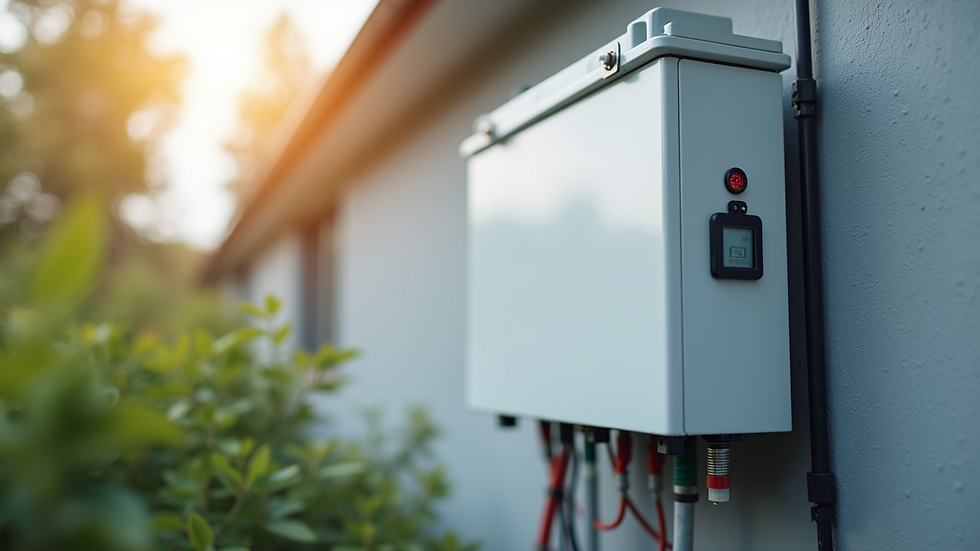
Inspect wiring and connections: Loose or corroded connections can cause power loss or safety hazards. Schedule professional inspections annually.
Battery care: For lithium batteries, avoid deep discharges and extreme temperatures. Follow manufacturer guidelines for charging and storage.
Optimize energy use: Shift high-energy activities to daylight hours when solar production is at its peak. This reduces battery cycling and grid reliance.
By following these steps, you ensure your solar system runs smoothly and delivers maximum returns.
Embracing Sustainability with Solar Power Solutions
Solar power benefits extend beyond individual savings and convenience. It’s a powerful tool for sustainability and environmental stewardship. South Africa faces significant challenges with carbon emissions and energy security. Solar energy offers a clean alternative that reduces greenhouse gases and dependence on fossil fuels.
Residential and commercial solar solutions contribute to a greener future by:
Lowering carbon footprints
Reducing air pollution
Conserving natural resources
Supporting local green jobs and industries
Moreover, solar power aligns with global and national goals for renewable energy adoption. By choosing solar, you’re not just investing in your property or business - you’re investing in the planet.
So, why not be part of the solar revolution? Whether you’re a solar installer, professional, or enthusiast, spreading knowledge and adopting best practices helps build a sustainable energy future for South Africa.
Solar power benefits are real, tangible, and within reach. With the right products, smart design, and ongoing care, solar systems can transform how we use energy. If you want to learn more about solar energy and stay updated on the latest trends and technologies, check out this solar energy resource. Let’s harness the sun’s power and brighten South Africa’s future together!


Comments