
How Solar Energy is Revolutionizing Urban Areas
- Austin Olivier

- Jul 7, 2025
- 5 min read
The rise of solar energy is transforming the way urban areas generate and consume power. As cities worldwide grapple with the challenges of pollution, energy shortages, and rising costs, solar energy offers a clean and sustainable solution. This blog post will explore the ways in which solar energy is revolutionizing urban landscapes, enhancing quality of life, and setting cities on a path toward a greener future.
Understanding Solar Energy
Solar energy is harnessed from the sun’s rays using photovoltaic cells to create electricity. This renewable energy source is abundant, environmentally friendly, and increasingly cost-effective. According to the International Renewable Energy Agency (IRENA), the cost of solar power has decreased by 82% since 2010. These remarkable savings make it a viable option for both residential and commercial users, reshaping energy consumption patterns in urban areas.

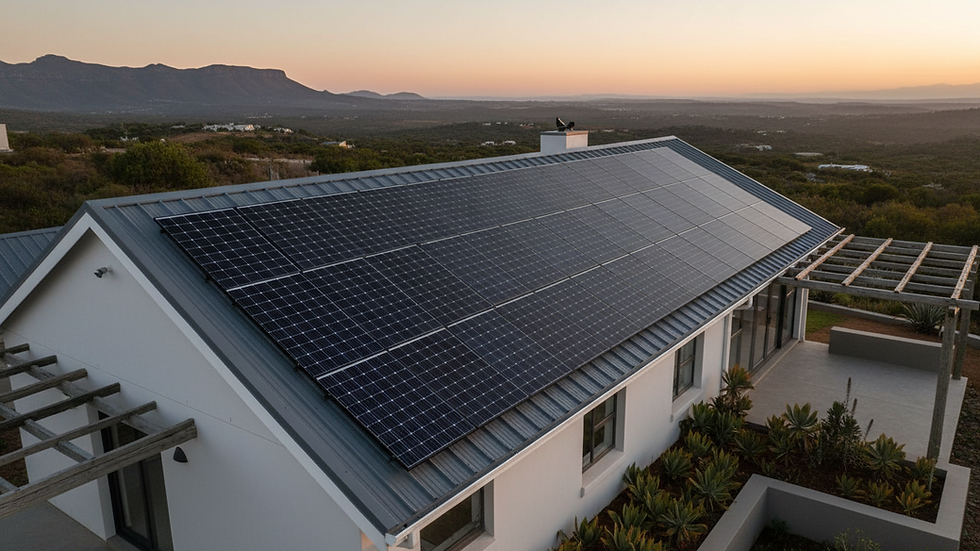
The widespread adoption of solar energy in cities is accelerating due to falling installation costs and advancements in technology.
Advantages of Solar Energy in Urban Environments
The integration of solar energy into urban lifestyles comes with several advantages. These include reducing reliance on traditional energy sources, lowering electricity bills, and decreasing greenhouse gas emissions. In addition, cities that adopt solar energy enhance their resilience against climate change and energy shortages.
Cost Savings: By converting to solar energy, cities can significantly reduce their energy costs. Homes and businesses that install solar panels often see their electricity bills cut by 50% or more. Many urban residents are adopting solar energy, and the financial benefits are pivotal in convincing those who are still hesitating.
Environmental Impact: Cities contribute to around 70% of global CO2 emissions. By transitioning to solar power, urban areas can participate in reducing pollution levels, thus improving air quality and public health. For instance, a city like San Diego has successfully integrated solar energy, demonstrating a decrease in the carbon footprint by 27% since 2020.
Energy Independence: Solar energy allows urban areas to produce their own electricity, lessening dependence on foreign oil and traditional energy suppliers. This enhances energy security, especially during crises or fluctuations in global energy costs.

Solar energy farms are increasingly common in urban settings, providing clean energy while occupying less space.
How do I contact solar Europe?
If you're interested in learning more about solar energy options, you can reach out to solar europe client-zone pretoria. They provide resources, consultations, and services to help households and businesses transition to solar energy. Understanding your options can empower you to make informed decisions that benefit both your finances and the environment.
Urban Design and Solar Energy
Today, urban planners are incorporating solar energy solutions within the designs of new buildings and infrastructure. This approach ensures that solar power becomes an integral part of urban development. Notably, vertical solar panels, solar canopies, and green roofs are prevalent in many modern architectures.
Building-Integrated Photovoltaics (BIPV): This technology embeds solar panels directly into building materials, such as windows and roofs. BIPV not only generates renewable energy but also complements the aesthetics of urban structures. Cities like Rotterdam and New York are pioneers in this movement, showcasing innovative designs that incorporate solar energy seamlessly.
Solar Streets and Canopies: Many cities are also installing solar canopies over parking lots and public transport stations. These installations not only provide shade but generate electricity to power charging stations for electric vehicles, streetlights, and public facilities.

BIPV technology allows solar energy to blend effortlessly into the urban environment while generating power.
The Role of Technology in Advancing Solar Energy
Technological advancements are making solar energy more efficient and accessible. Innovations such as energy storage systems, smart grids, and improved photovoltaic materials are reshaping how cities utilize solar power.
Energy Storage Solutions: Solar energy systems equipped with batteries store excess electricity generated during peak sunlight hours. This ability ensures that homes and businesses can utilize solar energy even during cloudy days or at night. Companies are now developing viable battery systems that last longer and are more cost-effective.
Smart Grids: By integrating solar power with smart grid technology, urban areas can efficiently manage energy distribution. Smart grids can balance supply and demand automatically, helping cities optimize their energy consumption. This dynamic system leads to better overall performance and contributes to energy savings.
Innovative Materials and Designs: Researchers are continuously developing new materials that enhance the efficiency of solar panels. Perovskite solar cells, for instance, show promise for increasing energy conversion rates and lowering costs. These innovations could soon enable greater adoption of solar energy in urban settings.
Community Engagement and Solar Energy
Solar energy is not just a top-down initiative; community engagement plays a critical role in its adoption. Awareness campaigns, workshops, and educational programs are vital to inform residents about the benefits of solar energy.
Solar Co-operatives: Many urban communities are forming solar co-operatives, where groups of citizens invest in renewable energy projects collectively. By sharing resources and costs, these co-operatives empower more residents to transition to solar. This collective approach fosters community involvement and supports local economies.
Incentive Programs: Municipalities are launching incentive programs to encourage solar adoption. These can include tax credits, rebates, and grants for homeowners and businesses that invest in solar energy systems. Cities like Los Angeles and Denver are leading the way with robust incentive programs to drive solar energy growth.
The Future of Solar Energy in Urban Areas
The future looks bright for solar energy in urban environments. Cities are not only embracing solar technology but are also engaging with their communities to advance sustainability initiatives. As solar technology develops, its installation becomes more efficient and integrated into daily life.
Carbon Neutrality Goals: Many urban areas are setting ambitious goals for carbon neutrality by 2030 or earlier. Achieving these targets will require a massive scale-up of renewable energy options, where solar energy will play a crucial role.
Integrating with Other Renewables: Future urban designs will likely blend various renewable energy sources. Solar panel systems can complement wind turbines, green roofs, and energy efficiency programs, creating a holistic approach to urban energy consumption.
Global Examples of Success: We can learn much from cities that have successfully adopted solar energy. For example, Freiburg, Germany, has implemented policies that encourage solar installations thoroughly, resulting in one of Europe’s leading solar cities. These global examples serve as blueprints for other urban areas aiming to transition to renewable energy effectively.
The adoption of solar energy is revolutionizing urban areas, providing cities with sustainable solutions that improve the quality of life for their residents. By embracing solar power, with its multitude of benefits, urban spaces will become cleaner, more resilient, and healthier places to live for generations to come.


Comments